Glute Training Exercises Volleyball
Techniques to Maximum Hip Strength
The glutes can't get too strong for sports. The stronger they get, the more powerfully they contract and protect against low back, knee, hamstring, and groin injuries.
The gluteus maximus muscles are without a doubt the most important muscles in sports
Most strength and conditioning specialists believe that most athletes have glute muscles that are
extremely weak.
Even people who think they have strong glutes almost always have very
weak glutes in comparison to how strong they can get through proper
training.
Why is it important to have strong glutes?
- The hips are responsible for the most important motions in sports include sprinting, leaping, cutting from side to side, and twisting.
- Strong glutes and good hip mobility allows us to efficiently use multi-joint exercises to strengthen the lower body.
Interesting fact: Most individual's glutes contract harder
during bodyweight glute activation exercises than from one-rep max
squats and deadlifts.
This is true because biomechanically the glutes aren't maximally
involved in squatting, lunging, and deadlifting. They're only maximally
contracted from bent leg hip hyperextension exercises.
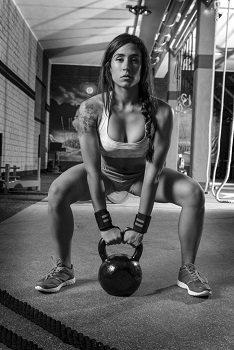
Kettlebell Front Squat for Exercises in Volleyball
Improve hip strength with hip thrusts
Perform hip thrusts to improve glute strength, sprinting speed, and low back health. The glutes are the best back-sparing muscles. Perform hip thrusts to make your glutes strong.
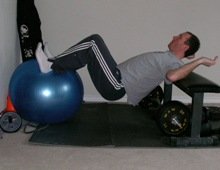
Hip Thrust Start Position
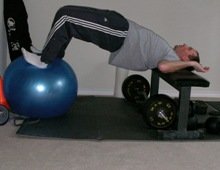
Hip Thrust Finish Position
Prevent injuries by improving hip strength, mobility, and flexibility
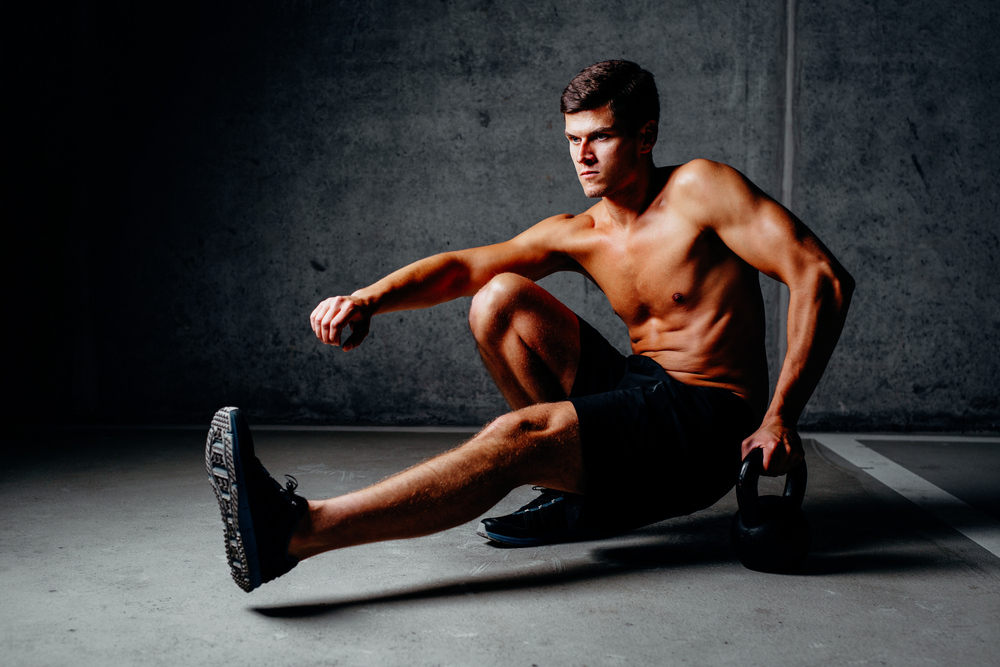
ACL injuries often are related to a lack of stability and mobility in the hips; the knee moves to compensate for the hip.
Hips are the most overlooked area when it comes to decreasing the potential for injury.
Most back and hip problems occur because of improper mobility and stability and faulty utilization of the hips. Most people are locked down or unstable in their hips.
The lower and middle back muscles work with your hips. But the hips are primary initiators of movement. The back muscles are
almost always meant to be secondary.
By maximizing the efficiency of movement in and around the hips, you will improve mobility, stability, and strength. Strong efficient hips is important because it's better to be more glute dominant than quad dominant.
If you enjoyed these tips and would like to keep it close to you at any time, just save this pin to your Pinterest Volleyball Training Board.
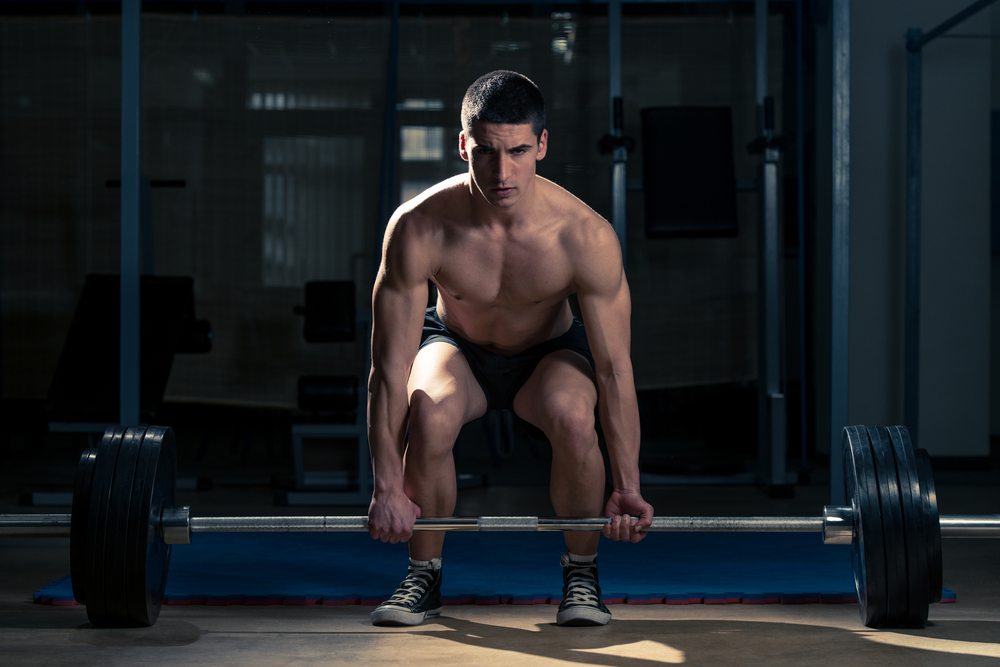
Deadlifts for Exercises in Volleyball
Strong Glutes for Jumping High and Spiking Hard
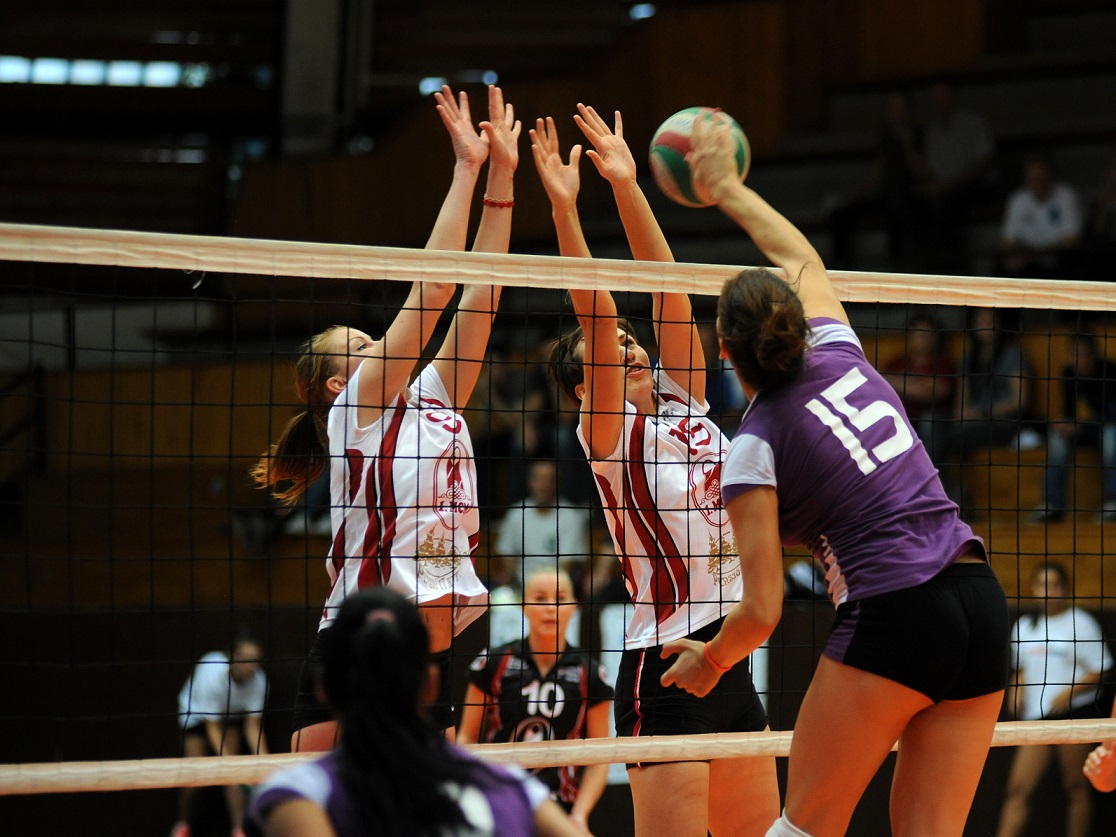
Volleyball players (especially women) tend to be more
quad dominant because they move from their knee joints as opposed to
their hip joints.
You don't want the knees to move first, stimulating the quadriceps
muscles to fire. This can be a dangerous thing because absorbing
too much force in the quads alone is to invite ACL and other leg
injuries.
It's ideal to absorb force through the glutes (the power center of your
body), which will enable the limbs to work together to produce force.
Key Exercises Volleyball - Training for Hip Health
Hip Flexor Stretch
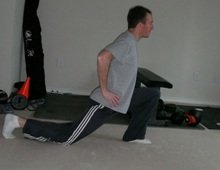
To improve hip function, spend lots of time on movements that challenge the hip rotators.
These hip exercises focus on key glute muscles and are great knee and back protectors.
These exercises give your body the ability to control the angles and better disperse force into your muscular system.
Always begin each glute workout with a simple warm-up
consisting of hip flexor stretches and a couple of bodyweight glute
activation exercises.
Hip flexor flexibility allows for hip hyperextension and is an absolutely critical component to maximum glute activation.
Tight hip flexors prevent hip hyperextension and maximum glute activation.
Perform two sets of hip flexor stretches for sixty-second static holds, progressing deeper into the stretch as time ensues.
Glute Activation Exercises
Pick two exercises from the following activation
exercises. Perform two sets of ten reps with a five-second isometric
hold up top.
Glute Bridge
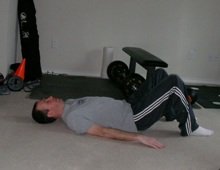
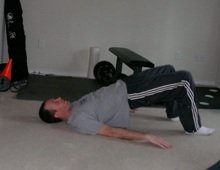
Bird Dog
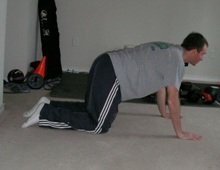
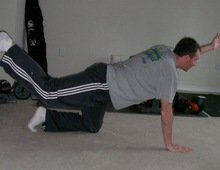
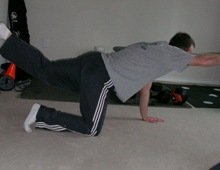
Hip Thrust
Single-leg glute bridge
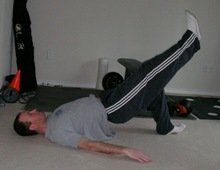
Pick one exercise and perform two sets of ten reps with a five-second isometric hold up top.
Lying abduction
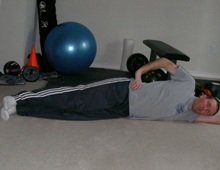
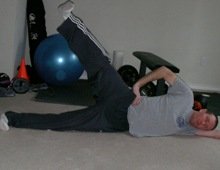
Fire Hydrant
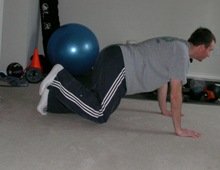
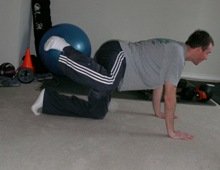
The next phase of training focuses on improving functional glute strength.
Pick two exercises and perform two sets of ten to twenty reps.
Barbell glute bridge
Single-leg hip thrust
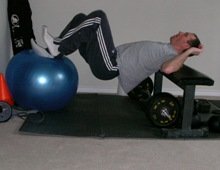
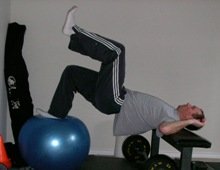
Weighted bird dog
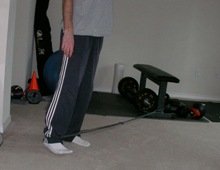
Band standing abduction
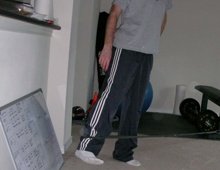
Band seated abduction
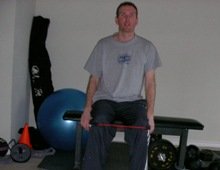
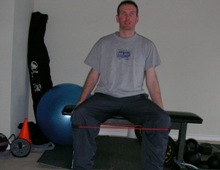
Band external rotation
The next phase is about developing maximum strength. By the time
you reach this phase, you'll be ready to maximize your glute activation through heavy strength training.
Pick one exercise and perform four sets of five reps.
Barbell hip thrust
Bent-leg reverse hyper
Bent-leg back extension
The days of training the glutes by just squatting and deadlifting are long gone.
Once you have progressed through all phases, mix in these exercises with your volleyball training program.
Volleyball › Smarter Training › Exercises Volleyball Glute Training


SAY HI ON SOCIAL:




As an Amazon Associate we may earn a commission from qualifying purchases.